Sailing
Sunreef 50, 60, 70, 80 and 100. The current generation is marketed as the Next range, with sailing performance and deck living given roughly equal weight.

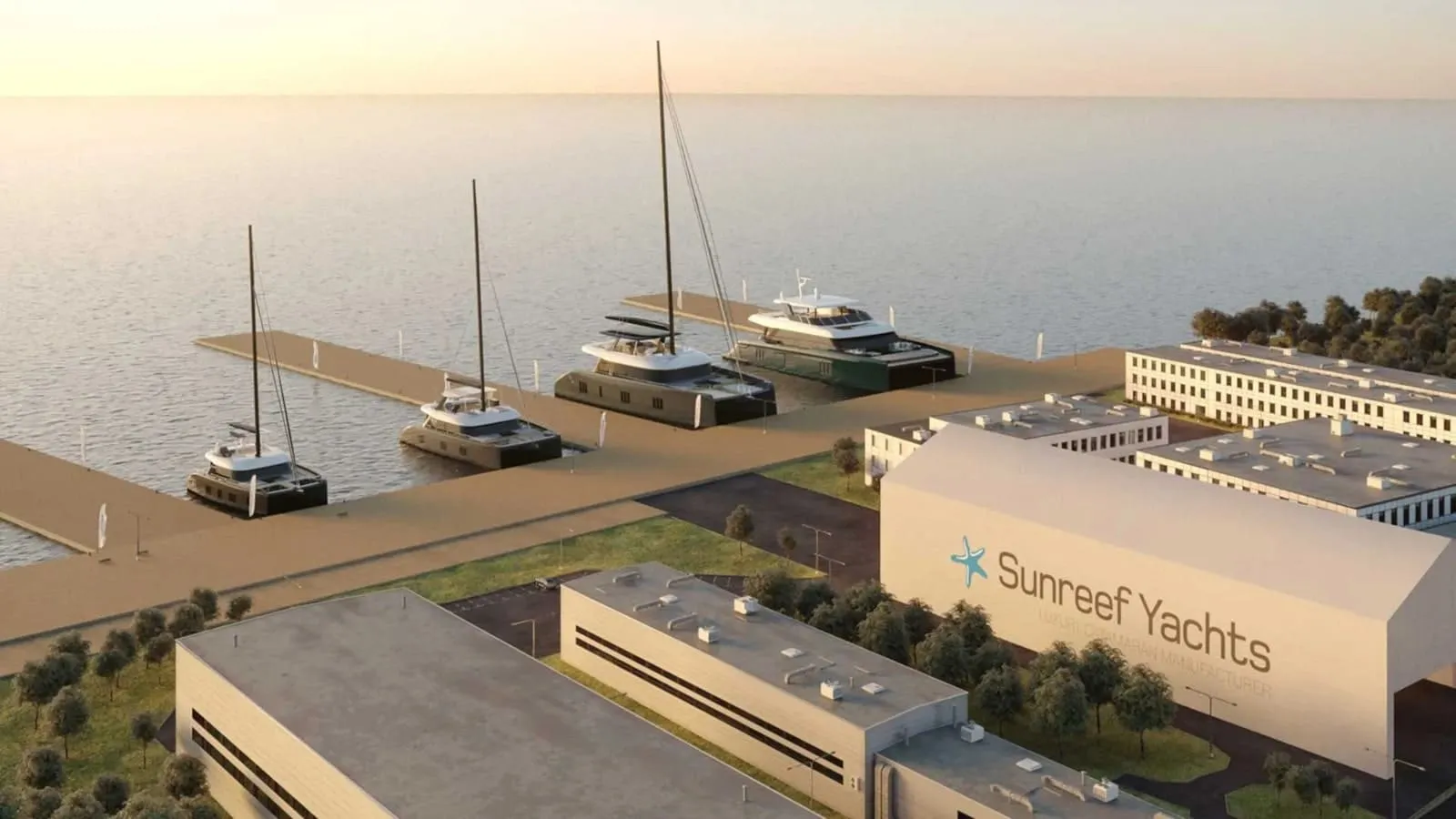
The shipyard and its models
Who builds these yachts, how the range developed and what each model means in practice. Useful context before you compare individual boats.
The brand
Sunreef Yachts was founded in 2002 by Francis Lapp, a French electrical engineer and entrepreneur who had settled in Poland in the early 1990s. He chose Gdańsk for its shipbuilding tradition and skilled workforce, and set up the yard in a manufacturing hall by the historic docks.
At the time, catamarans were mostly sport or charter boats. Sunreef's idea was to build large, customisable multihulls finished to the standard buyers expected from monohull yachts. The first result was the Sunreef 74 CHE in 2003, with a flybridge that has since become typical for the category.
Design, engineering, composites, carpentry and interiors are carried out in-house at the Gdańsk site. That is why so many Sunreefs differ from each other even within one model: layouts, finishes and systems are often specified per owner.
Since 2020 the yard has pushed its Eco concept: solar panels integrated into the composite structure, large battery banks and electric or hybrid propulsion. The Sunreef 80 Eco launched in 2022 was the first yacht with the full solar skin.
Milestones
Sunreef Yachts sets up its production site and office in Gdańsk, on the grounds of the historic shipyard.
Launch of the Sunreef 74 CHE, presented by the yard as the first oceangoing luxury catamaran with a flybridge.
The 70 Sunreef Power JAMBO, developed with Laurent Bourgnon, becomes the yard's first double-deck power catamaran with oceanic range. The yard also starts building carbon masts over 25 m in-house.
The Sunreef Ultimate performance sailing line is introduced. The Sunreef 102 IPHARRA (double-deck sailing catamaran) and the Sunreef 114 CHE (sloop-rigged) are launched.
Launch of the 60 Sunreef Power LILU with Volvo IPS propulsion and the Sunreef 80 Carbon Line LEVANTE, the first carbon catamaran superyacht from the yard.
A catamaran superyacht with a folding mast is launched, along with the first 70 ft power catamaran on Volvo IPS.
The Sunreef Supreme 68 opens the Supreme range and wins a World Yacht Trophy for its layout.
The yard marks its 15th anniversary and launches the Sunreef 88 Double Deck.
The 40 Open Sunreef Power collects several awards. The Sunreef 80 and the 80 Sunreef Power are recognised at the Yacht and Aviation Awards and World Yachts Trophies.
Sunreef is named Best Shipyard of the Year at the World Yachts Trophies and is commissioned to build the first 100 Sunreef Power.
The composite-integrated solar system wins the UIM Environmental Award. The Eco range wins the World Yachts Trophies Eco Green Catamaran trophy.
Launch of the Sunreef 80 Eco, the first yacht with Sunreef's solar skin. The 100 Sunreef Power is named Best Power Driven Catamaran.
The Sunreef 80 Eco wins, among others, the German Innovation Award and Multihull of the Year. The 80 Sunreef Power Eco receives a World Yachts Trophy.
Milestones as published by Sunreef Yachts. "First" claims are the shipyard's own.
Current ranges
Sunreef 50, 60, 70, 80 and 100. The current generation is marketed as the Next range, with sailing performance and deck living given roughly equal weight.
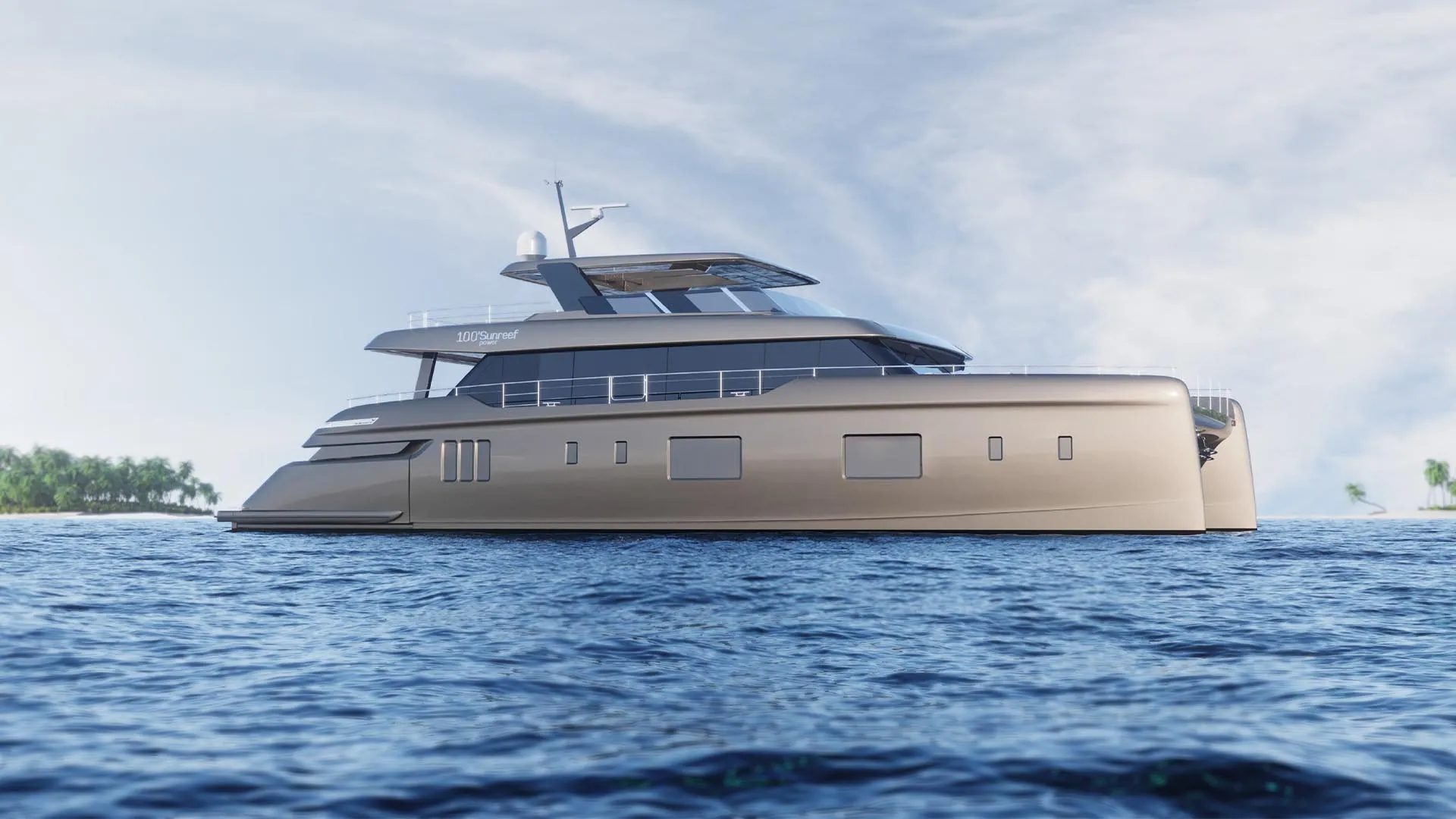
60, 70, 80 and 100 Sunreef Power. Double-deck power catamarans built for point-to-point cruising, with larger flybridges and higher fuel capacity.
Not a separate model but a specification: electric or hybrid propulsion, large battery banks and solar panels laminated into the hull and superstructure. Available on both sailing and power models.
A lower, faster profile. The Sunreef Ultima 55, also developed with Brabus, focuses on speed and open-air living over maximum volume.
Custom projects from around 30 m upward, including the Infinity range and concepts such as the Sunreef 43M. Built to order in Gdańsk.
Buyer notes
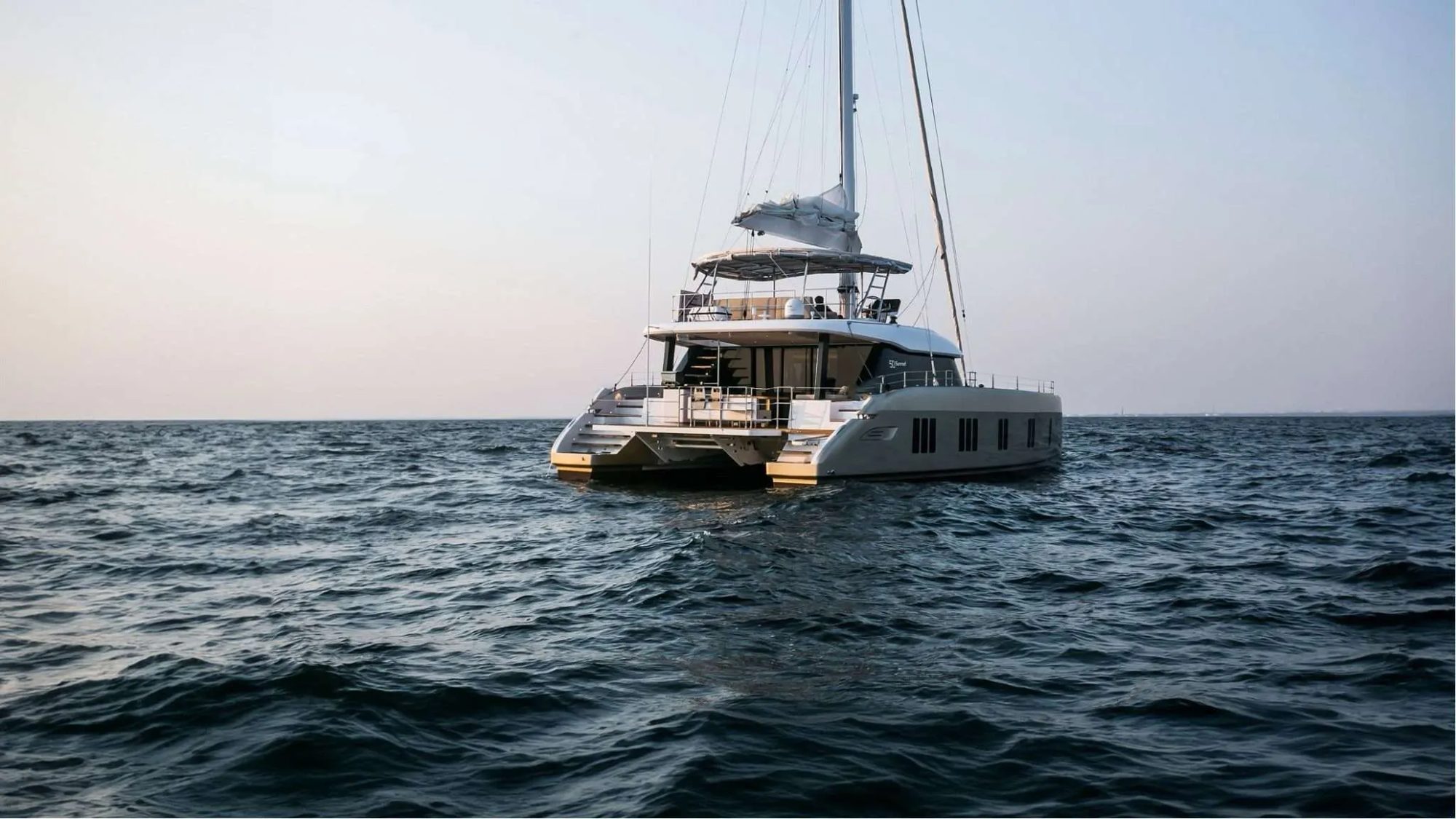
The entry point to the current sailing range. Real catamaran volume, but berth, crew and handling requirements stay comparatively contained. Many owners run her with no or minimal crew.
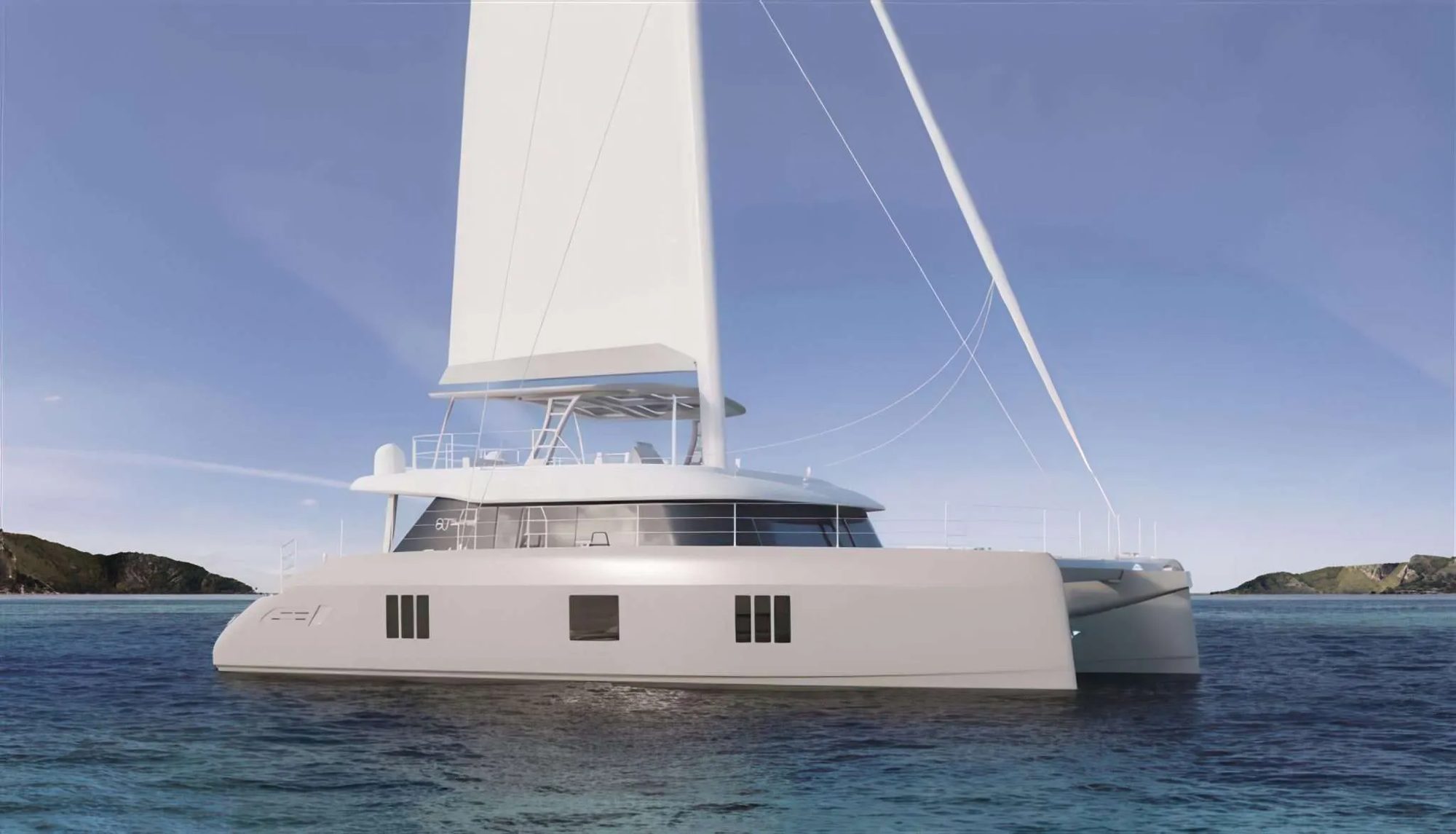
A clear step up from the 50 in accommodation and deck space. Often chosen by families planning longer periods aboard with a light professional crew.
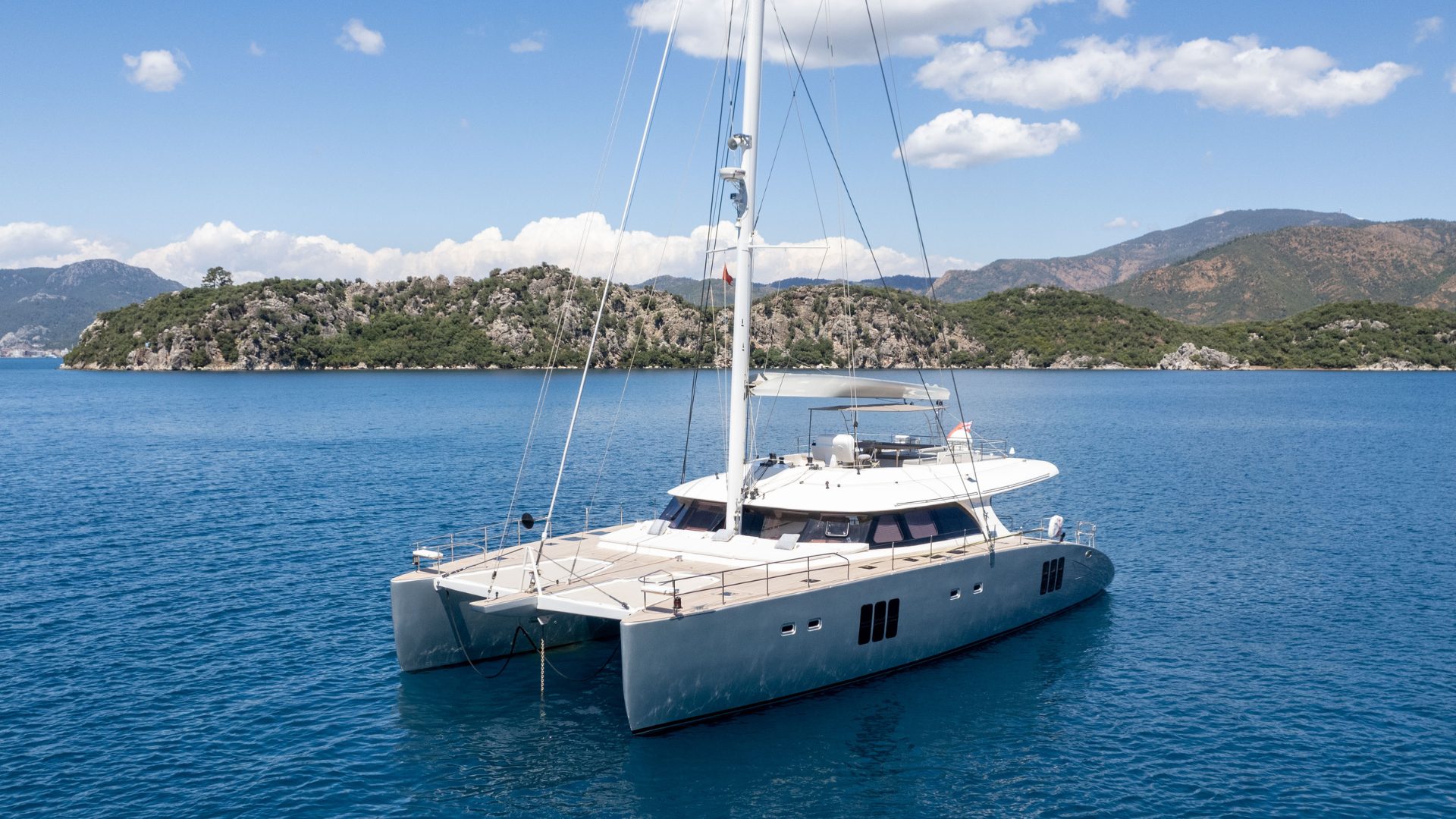
A bridge between generations. The model name spans very different build years, so layout, age and refit documentation vary widely. Compare individual yachts, not badges.
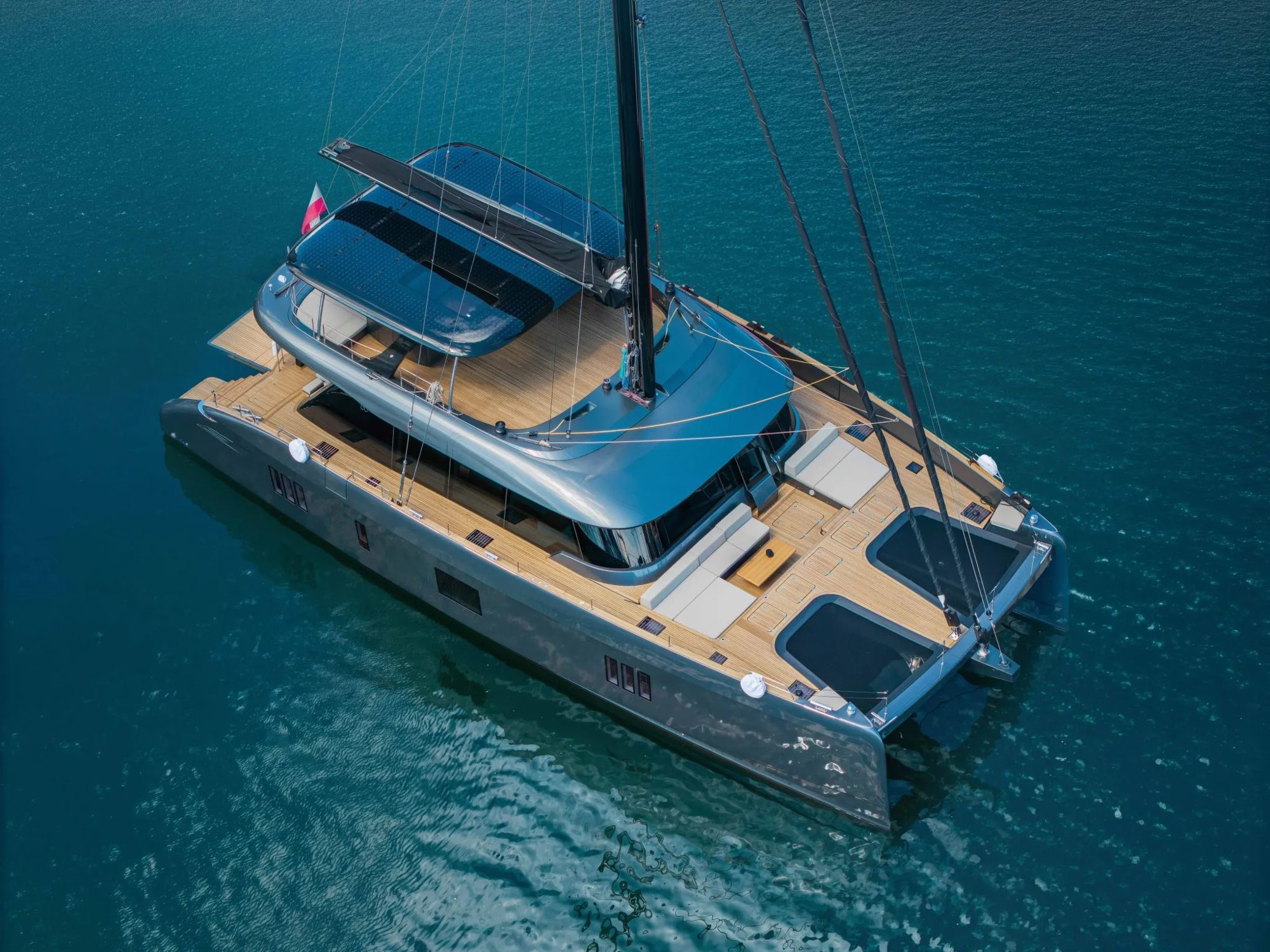
The most established large Sunreef sailing platform. Beam, crew circulation, berth planning and the owner or charter layout become central to the decision.
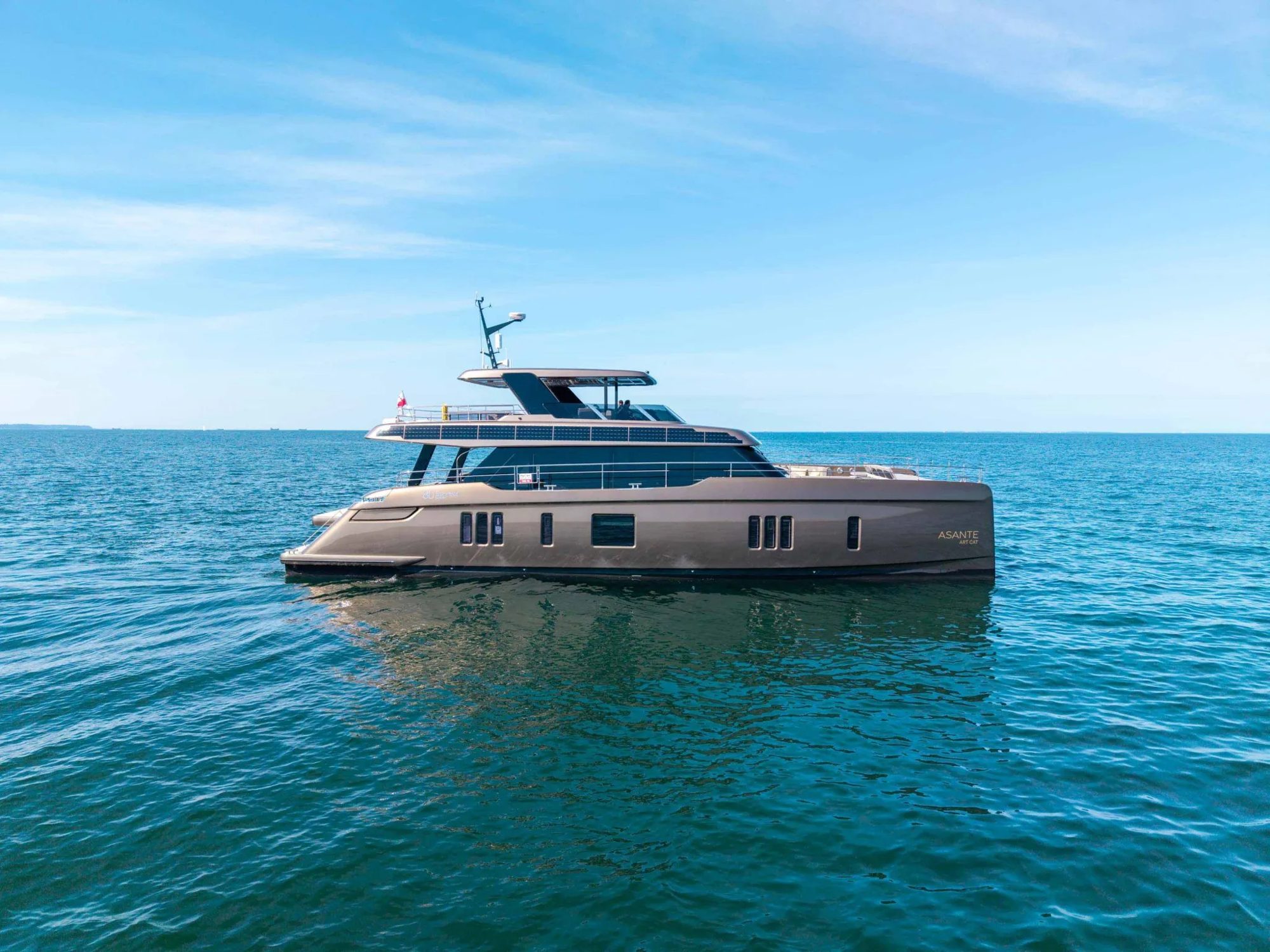
For buyers who prioritise covering distance and usable volume over sailing. Fuel planning, machinery access and noise levels deserve close attention on a viewing.
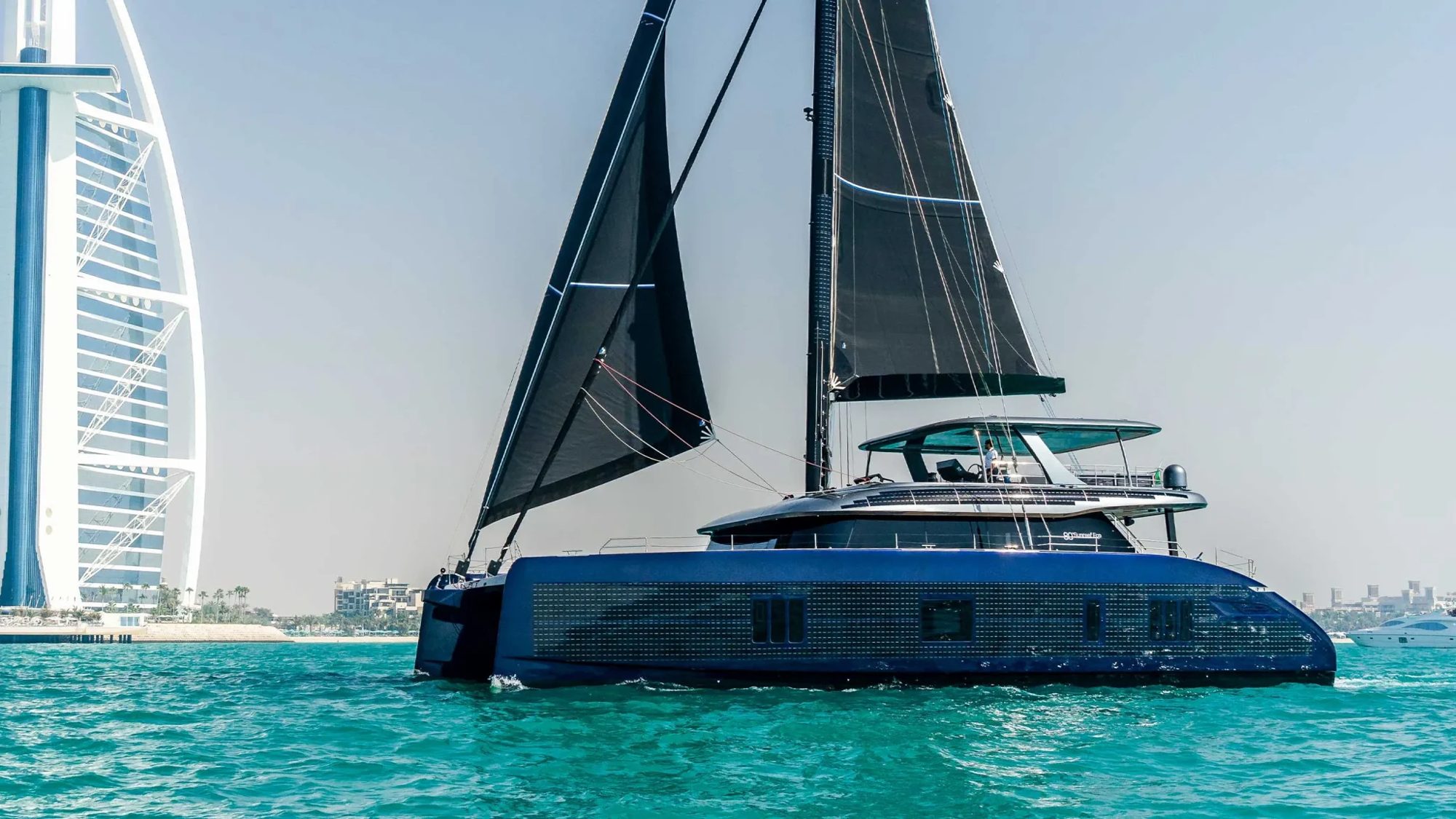
A different systems architecture. Evaluate through battery health, charging sources, service support and how you actually intend to cruise.
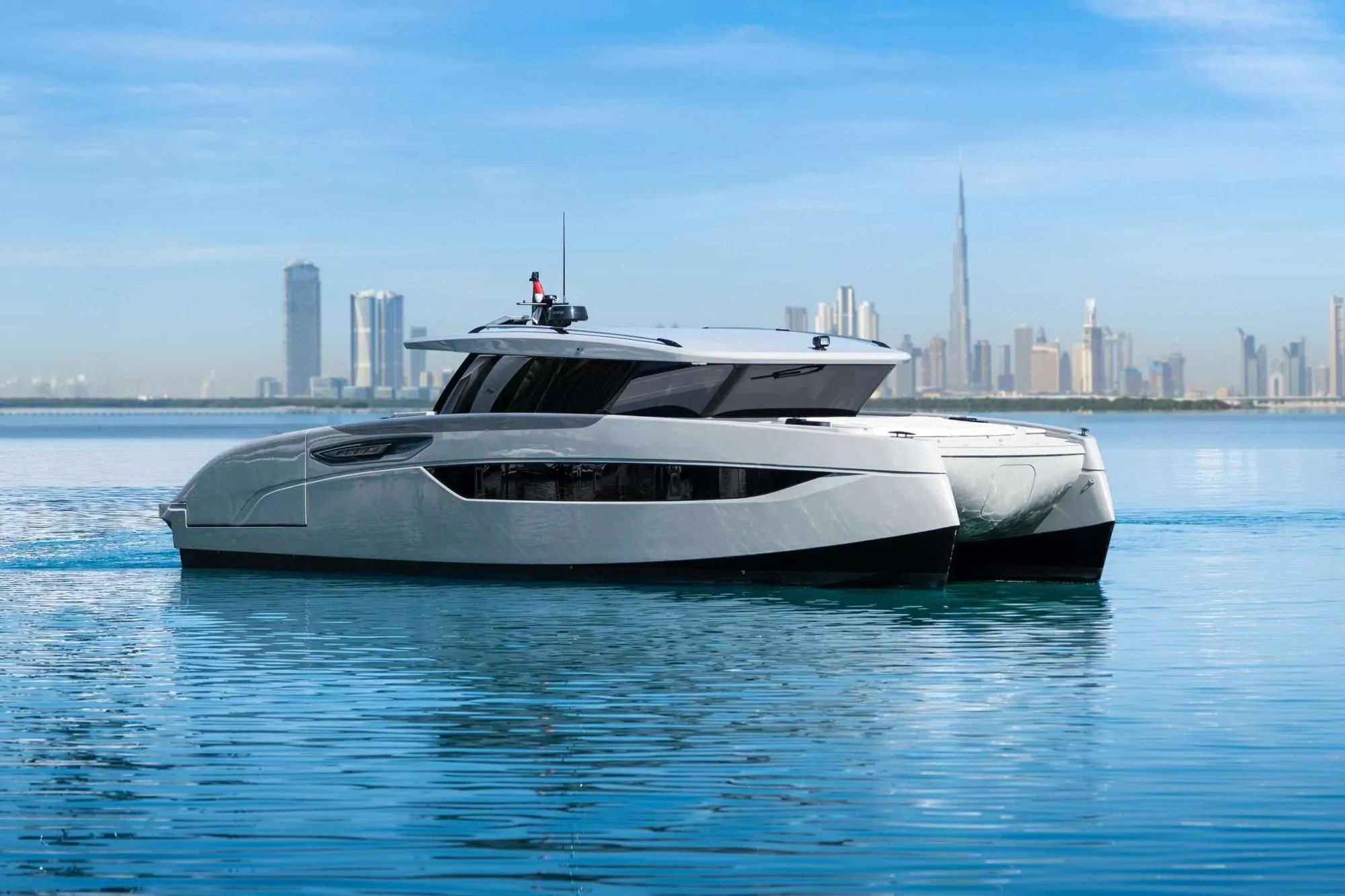
A lower-profile proposition with a different balance of speed, living space and efficiency. Compare on use case rather than length alone.
A different operational category. Crew structure, marina access, maintenance planning and systems management come before the interior brief.